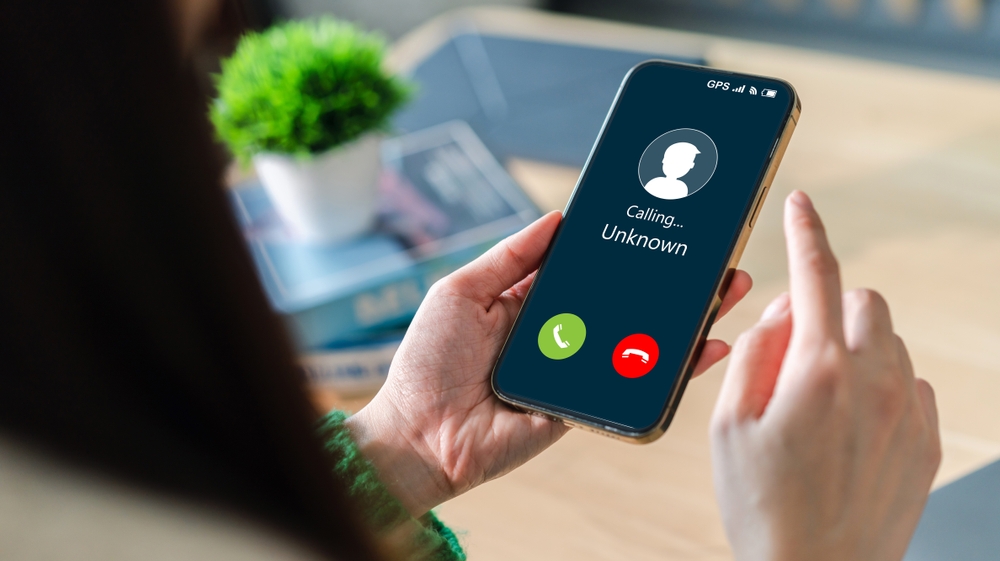
Scammers are getting better at pretending to be someone you trust.
A fake call or text may look like it came from your credit union, bank, delivery company, utility provider, a government agency or even someone you know. The message may sound urgent. The caller ID may look familiar. The text may include details that feel convincing.
That is what makes imposter scams so dangerous.
According to the Federal Trade Commission, consumers reported losing more than $12.5 billion to fraud in 2024, a 25% increase from the year before. The FTC also reported that losses from text scams reached $470 million in 2024.
The good news: a few simple habits can help you slow down, spot the warning signs and protect your money.
What is an imposter scam?
An imposter scam happens when someone pretends to be a trusted person or organization to get you to share personal information, click a link, send money or give access to your account.
Common examples include:
- A fake fraud alert saying there is suspicious activity on your account
- A text asking you to “verify” your debit card, online banking login or one-time passcode
- A call claiming to be from your financial institution’s fraud department
- A message pretending to be from a delivery service with a fake tracking link
- A government imposter claiming you owe money or need to take immediate action
- A fake family emergency asking you to send money quickly
The message may be short, urgent and designed to make you react before you think.
Why fake calls and texts look so real
One of the biggest reasons these scams work is caller ID spoofing. Scammers can make a call appear as if it is coming from a familiar or local number, even when it is not. The FCC defines caller ID spoofing as deliberately falsifying caller ID information to disguise the caller’s identity.
That means you should not rely on caller ID alone.
A scammer may also use language that sounds official, such as:
- “Your account has been locked.”
- “A suspicious transaction was detected.”
- “You must verify your identity.”
- “Your card will be disabled.”
- “Do not hang up.”
- “Do not tell anyone about this call.”
- “Move your money to a safe account.”
Those phrases are designed to create panic. A real financial institution will not pressure you to share your login credentials, one-time passcode, PIN or full Social Security number through an unexpected call or text.
Red flags of a fake call or text
Be cautious if a message or caller:
Creates urgency
Scammers want you to act fast. They may say your account is at risk, your card is locked or money is about to leave your account. Urgency is one of their strongest tools.
Asks for sensitive information
Never share your online banking password, PIN, full debit card number, one-time login code or full Social Security number in response to an unexpected call or text.
Tells you to click a link
A fake text may include a link that looks close to a real website. The FTC recommends not clicking links or calling phone numbers in unexpected messages. Instead, contact the organization using a phone number, website or app you know is legitimate.
Says to keep the conversation secret
If someone tells you not to talk to your financial institution, family or anyone else, that is a major warning sign.
Asks you to move money
Scammers may tell you to transfer funds to a “safe” account, buy gift cards, use a payment app, send cryptocurrency or withdraw cash. These are major red flags.
The safest habit: pause before you respond
Scammers are counting on fear, speed and confusion.
Before you click, reply or share information, pause and ask yourself:
- Was I expecting this message?
- Is this asking for private information?
- Is this creating pressure or urgency?
- Am I being told not to contact anyone else?
- Can I verify this another way?
When in doubt, do not respond directly. Contact the company using a trusted number or website.
Finex is here to help
If you receive a suspicious message that appears to be from Finex Credit Union, do not click any links or share personal information. Contact us directly so we can help you verify whether the message is legitimate.
A few seconds of caution can make all the difference.
FAQs
How do I know if a text from Finex is real?
Do not rely on the text alone. If you are unsure, do not click the link or reply. Contact us directly at 860-282-0001.
Can scammers fake caller ID?
Yes. Scammers can spoof caller ID to make a call look like it is coming from a trusted organization or local number.
What should I do if I get a fake bank text?
Do not click the link, do not reply with personal information and do not call the number in the message. Report it as spam and call us directly.
Will Finex ask for my online banking password or one-time passcode?
No. You should never share your online banking password, PIN or one-time login code through an unexpected call or text.


